Unfortunately, employee burnout is pervasive in the social sector. Juggling mission-driven work with parenting, caregiving, volunteering, and the constant noise of today’s headlines leaves many professionals stretched thin. Left unaddressed, chronic stress can erode morale, hamper retention, and undermine impact.
Fortunately, our incredible Human Resources team is flipping the script. From Respite Fridays to fitness memberships, and an employee assistance program that offers free counseling, they’ve built a culture of care that’s helping our staff feel supported and refreshed.
Why Employee Wellness Matters
For the nonprofit sector:
- 95% of nonprofit leaders cite burnout as a major concern
- 52% of nonprofit employees report feeling burned out weekly 2
- 62% have considered leaving their job due to burnout 2
- 70% experience work-related stress, and 45% say it significantly affects their mental health 2
- Staff from historically marginalized groups—people of color, LGBTQ+, women, and non-binary colleagues—report even higher levels of strain4
For all industries:
- Across all industries, more than eight in 10 workers (82%) feel at risk of burnout 3
- 40% of Gen Zs & 34% of millennials say they feel stressed or anxious all or most of the time 5
- Whenever employees feel depressed or anxious, the pace, performance and quality of their work typically declines 6
These statistics reveal that burnout is more than an individual struggle—it jeopardizes organizational capacity and mission success.
Behind the Benefits: A Conversation with HR Innovators Tracee Sanders and Staci Frison
To understand how Share Our Strength’s wellness culture came to life, I sat down with two of our HR team members. I learned from them what it takes to negotiate health benefits, listen and advocate on behalf of employee needs, and ultimately build a diverse and comprehensive wellness package.
History that Evolves with the Times
Tracee, who’s been with Share Our Strength for over a decade, reflected on how wellness offerings have grown alongside the organization.
“We’ve always had progressive benefits—mental health support, 401(k) match—but the world has dictated the need for more wellness related benefits.” she shared. “Employees asked for more respite days, not just those we provided in the summer months, and they needed more robust mental health benefits. In the past, most of our wellness activities were in-person at our HQ office or Share Our Strength-hosted events, such as Taste of the Nation, and our (culinary fundraising) dinners, but now that we are hybrid, we have to provide different benefits that can reach all of our employees in different locations.”
Staci emphasized the importance of choice and personalization.
“Wellness looks different for everyone. Some people love the Calm app or ClassPass, while others recharge outside of work. We want to offer options that meet people where they are.”
Tracee added that family inclusion has become a priority, with benefits like bedtime stories through Calm and therapy for employees’ children through our Employee Assistance Program. “It’s not a one-size-fits-all approach. We build benefits that reflect the team we have—and stay flexible to meet future needs.”
A Snapshot of Our Offerings
Here’s a glimpse of some of the benefits that Share Our Strength has offered over the years:
- Respite Fridays: Select Fridays off each month to rest and recharge
- ClassPass Membership: Access to fitness classes and wellness experiences both across the country and online
- Calm App Subscription: Meditation, sleep stories, and stress relief tools
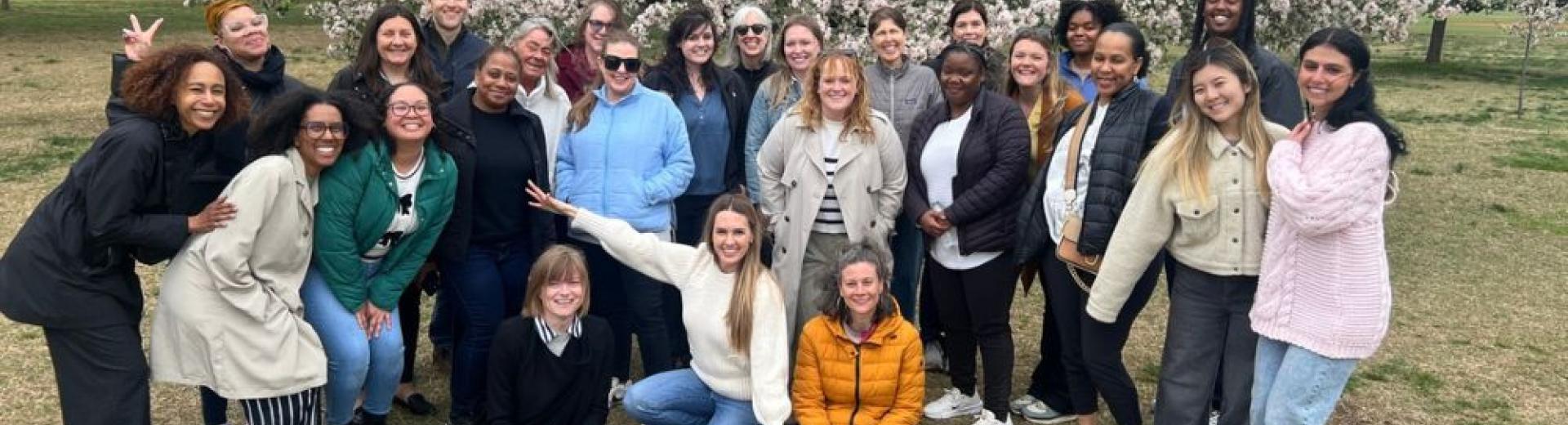
- In-person excursions to reconnect with each other, such as a springtime Cherry Blossom Outing around the DC Tidal Basin
- Childcare Stipend & top tier health insurance coverage - Comprehensive support for employees and their families
- In-office & virtual events- Parties, workshops, and wellness contests
- SupportLinc Employee Assistance Program - Up to 10 free counseling sessions, legal/financial consultations for employees and their family members
- Motivational speakers - insights and inspiration from No Kid Hungry champions
- Bake-a-lution - a monthly (Pre-COVID 19) in-office bake-off, employee led, and delicious!
- Comped tickets to exclusive Share Our Strength events
Staff Feedback & Measuring Impact
One of the most powerful tools in HR’s arsenal? Employee Feedback.
“Continuing Respite Fridays came directly from staff input during COVID,” Tracee explained. “It was our most popular benefit—and we kept it.”
Other changes, like switching health insurance providers and discontinuing a family support service due to poor customer service, were also driven by employee voices. Additionally, mental health support has expanded in response to growing demand.
Surveys and individual reactions help guide decisions, but Tracee acknowledged a challenge: “Workload can prevent participation. We’ve seen some staff step back—not because they don’t care, but because they’re stretched thin.”
When it comes to evaluating wellness programs, Staci says it’s not just about attendance.
“We think differently now. It’s about impact. Did someone enjoy an event for the first time? Did it make a difference in their day?”
Wellness in Practice: What Keeps HR Grounded
Even the HR team isn’t immune to stress. So how do they recharge?
Tracee swears by Respite Fridays and the Calm app. She said that the Respite Fridays have been a game-changer. They love the days off just like the rest of the staff and use them as an opportunity to recharge.
She also highlighted the strength of their seven-person team: “We throw titles out the window and depend on each other. We’re here to get the work done—and when one of us succeeds, we all do.”
Humor is a big part of how their team copes through stressful times. I personally know this since I share an adjoining wall with our Chief People Officer. For many years, I witnessed (or shall I say heard) their numerous team meetings kick off with a lot of joyful laughter!
Building the Case for Wellness
At a time when non-profit budgets are limited, convincing leadership to invest in wellness isn’t easy. HR leaders need to be equipped with a range of soft skills to get the biggest bang for their buck. Luckily, amongst many of their strengths, Tracee and Staci have a real flair for creativity.
“We work closely with our brokers to find ways to offer benefits—even if we can’t fully cover the cost of them,” Tracee said. “Pet insurance, for example, came from that kind of collaboration. Staff pay for this benefit at a discounted rate that was negotiated through our benefits brokers. .”
While return on investment is hard to quantify, the team focuses on retention, morale, and the ripple effect of a supported staff.
What’s on the Horizon?
Tracee keeps an eye on industry trends—from HSAs and cafeteria-style plans to fertility benefits and support for aging parents. She’s especially intrigued by emerging conversations around women’s health, especially menopause and fertility treatments.
When asked to dream big, Staci lit up at the idea of offering season tickets for sports events and music concerts in locations where staff live.
Tracee’s vision? Paid family leave for those caring for aging or ill family members. “It’s a need we hear often. I’d love to make that a reality.”
Tracee and Staci remind us that wellness isn’t just a line item in our budget—it’s a culture—one that listens, evolves, and celebrates the humanity behind the mission. And in a sector where burnout is all too common, that culture might just be our most powerful tool.

Tracee Sanders

Staci Frison
Resources to Go Deeper
The Coping Toolbox
In February 2025, the No Kid Hungry Program Team hosted a team Retreat at which clinical psychologist Dr. Justin Hopkins, emphasized the significance of cultivating joy, practicing gratitude, and building self-care strategies for navigating uncertain periods like the one in which we are living. This resource offers practical tools for managing stress and fostering well-being.
Self-Care Is Vital for Anti-Hunger Advocates
This article highlights tips and strategies from FRAC’s 2022 National Anti-Hunger Policy Conference workshop, “Take Care and Take Care of Each Other: Addressing Stress and Burnout Among Nutrition Program and Emergency Food Providers. " Presenters provided tips on addressing stress in the workplace and prioritizing mental health.
Why Are We Burning Out Our Anti-Hunger Champions?
This blog post, written by Anina Estrem, offers specific strategies on how individuals can fight hunger without burning out the advocates themselves.
NonprofitHR
NonprofitHR is the country’s leading and oldest firm focused exclusively on the talent management needs of the social sector, including nonprofits, associations, social enterprises and other mission-driven organizations.
Nonprofit Wellness
Dr. Tyecia “Ty” Powell and Professor Susan Comfort founded Nonprofit Wellness to support school and nonprofit staff in developing individual resilience and a team-care culture. Nonprofit Wellness offers customized wellness trainings, wellness card decks, and other resources for educators and nonprofit professionals that combine energy, experience, science, art, and a sense of humor.