


Family Economic Mobility Programs
At No Kid Hungry we know it takes more than food to end hunger. We can't solve childhood hunger without addressing its root causes. That’s why we have expanded our work to include programs that help families, especially single mothers attain economic mobility and ensure food security for their children.
The Family Economic Mobility initiative through No Kid Hungry serves as a national convener and catalyst bringing together organizations committed to advancing economic mobility for single mothers and their families. Grounded in the belief that increasing income/wages and reducing the cost burden of food access are key to ending childhood hunger, the initiative invests in scalable solutions like financial coaching, affordable childcare, income boosts and convenience equity to help build a future where all families can thrive.

Supporting Single Mothers: Policy Solutions for Economic Justice
Single mothers are one of the fastest growing family demographics in the United States, yet they consistently face disproportionate economic hardships. About one in four single-mother households live in poverty, and systemic barriers like racial and gender wage gaps, lack of income supports and unaffordable childcare, deepen the challenges they face. In comparison to other wealthy nations, the U.S. offers far fewer supports for single mothers, resulting in higher poverty rates and limited economic mobility for them and their children.
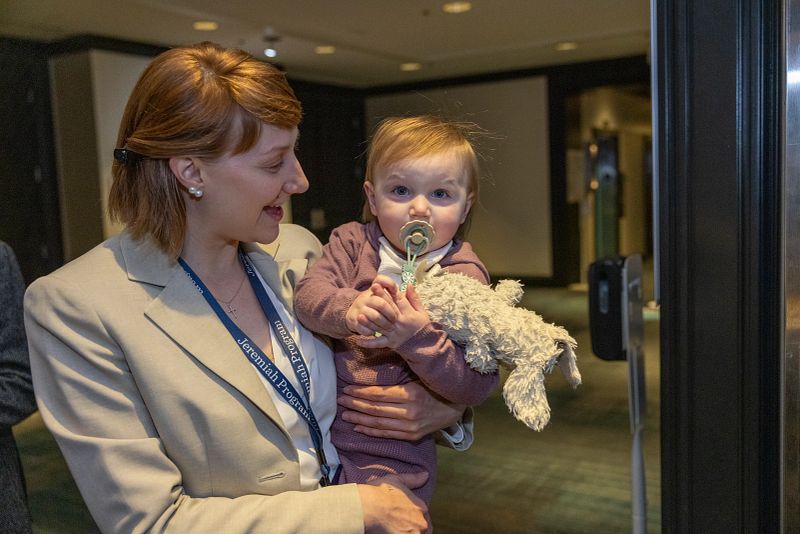
In partnership with the Washington Center for Equitable growth we have identified three key policy solutions that could significantly improve outcomes for single-mother families:
- Eliminating harmful and outdated work requirements for public benefits.
- Streamlining and simplifying access to income supports.
- Investing in childcare infrastructure to reduce the “motherhood penalty” in the workforce.
These three policy solutions are backed by research that shows that when single mothers thrive, so do their children and the economy.
Explore how these policy shifts can drive long-term economic change in this column.
Building an Economy that Cares: How Childcare Infrastructure Can Empower Single Mothers
Affordable and accessible childcare is not just a family issue but an economic issue. For single mothers, who rely heavily on child care, the lack of affordable options can be a barrier to employment, education, and long term financial stability. In fact, single mothers are more likely to leave or avoid job opportunities due to caregiving responsibilities and child care expenses can consume more than half their income in some states.
This factsheet explores how strengthening the U.S. child care system would improve economic outcomes for single mothers and foster broader more equitable economic growth. From increasing employment rates and reducing poverty to challenging discriminatory “motherhood penalties” in the labor market, child care investment is a critical investment. Included in the factsheet are outlines of recent federal policy efforts and promising bipartisan proposals aimed at expanding childcare access and affordability.
How Streamlining Benefits Can Boost Single Mothers and the Economy

For single mothers navigating low wages, high costs and limited time, accessing income supports like food assistance, unemployment insurance and child tax credits can be a lifeline. However, too often the application process can be quite complex and burdensome, keeping families from getting the help they are entitled to. This results in increased poverty, lost opportunities and preventable hardships that ultimately decreases economic growth and opportunity.
This factsheet from Washington Center for Equitable Growth breaks down why streamlining access to income supports is a critical strategy for advancing equity and economic stability. It reveals how outdated eligibility rules, racialized work requirements, and excessive paperwork disproportionately impact single mothers, many of whom already face heightened stress and financial insecurity. The factsheet also highlights promising policy solutions, like integrated application systems, expanded refundable tax credits and targeted outreach to communities most affected by administrative burdens.
Breaking Barriers: Why Eliminating Work Requirements Helps Single Mothers Thrive
Work requirements for public assistance programs are often justified as a way to promote employment, but the evidence tells a different story. For single mothers, these policies create obstacles, reduce access to vital support, and worsen poverty without increasing hours worked or wages. From Medicaid to food assistance programs, the administrative burdens and rigid rules tied to work requirements are hurting families rather than helping them.
This factsheet outlines how eliminating work requirements would not only improve outcomes for single mothers but also support stronger, more equitable economic growth. It breaks down the myths behind these policies, highlights the real-life impact on single mothers and their children, and offers policy solutions rooted in data. It also explores alternatives that actually improve employment outcomes, such as subsidized child care and simplified application systems.
Exploring Policy and Structural Interventions to Improve Economic Stability
Economic mobility is not just about increasing wages it requires comprehensive policy solutions that address systemic barriers faced by low-income families, particularly single mothers. Key levels for economic mobility include:
- Workforce Development & Training - Ensuring access to skills training and career pathways that lead to higher wages and stable employment.
- Guaranteed Income & Cash Assistance - How direct cash transfers provide stability and reduce food insecurity.
- Childcare & Family Supports - The critical role of affordable, accessible childcare in helping parents participate in the workforce.
- Housing & Transportation - Addressing cost burdens that prevent economic advancement.
Understanding the Barriers & Opportunities for Single Mothers
Millions of children in the United States live in households headed by single mothers, who are both the primary caregivers and primary earners. Despite their hard work, structural inequities in wages, childcare, and income support systems make it difficult for them to achieve financial stability.
To fully understand economic mobility for single mothers, it is essential to recognize the key factors shaping their financial security:
- Demographic & economic trends
- Barriers to employment and higher wages
- Policies
The Policy Levers to Support Single-Mother Economic Mobility report, developed by the Urban Institute with support from our Family Economic Mobility initiative, presents an evidence-based agenda for breaking down barriers and creating opportunities for single mothers and their children to thrive. Grounded in the belief that increasing income, reducing costs, and expanding equitable access to resources are essential to ending childhood hunger, this research identifies actionable policy solutions that improve job quality, expand affordable children, promote health and housing security, and strengthen financial resilience for single-mother households.
Single mothers lead 80 percent of single-parent households in the United States and are disproportionately affected by poverty, material hardship, and food insecurity. This report underscores the urgent need to create systems and policies that recognize the dignity, potential and diverse realities of single-mother families. Drawing on national data, stakeholder insights, and the voices of single mothers themselves, the Urban Institute outlines policy levers across seven critical domains, from expanding access to postsecondary education and workforce development to improving healthcare coverage, affordable housing access and targeted financial support.
These findings make clear that ending childhood hunger is inseparable from advancing family economic mobility. Policies that reduce the cost burden of essentials like food, childcare, and housing while increasing earning potential, have the power to transform outcomes for children and their caregivers. The report also offers strategies for addressing the compounded challenges faced by single mothers of color, those raising children with disabilities, mothers impacted by the criminal legal system and immigrant and mixed-status families, ensuring solutions are equitable and inclusive. By centering the lived experiences of single mothers and pairing them with evidence-based recommendations, this report equips policymakers, advocates, and community leaders with a roadmap for change. The message is clear: investing in the economic mobility of single mothers is an investment in stronger families, healthier communities and a future where every child has the nourishment, stability and opportunity they need to thrive.
The Understanding Convenience Equity in Low-Income, Low-Access Communities report examines how online grocery ordering and delivery can help reduce the time, cost, and logistical burdens families face in accessing healthy food. Residents in low-income, low-access (LILA) communities often have limited nearby grocery options and face significant transportation and financial challenges. While online ordering and pickup have transformed grocery shopping for many Americans, these services have yet to be fully leveraged to address the realities in LILA communities.
Through focus groups and interviews with community members, the report uncovers key insights into consumer behaviors, perceptions and barriers that influence the use of online grocery services. Findings reveal common obstacles such as delivery fees, uncertainty about food quality, and limited comfort with technology, alongside benefits like time savings, cost control and the convenience of grocery pickup. The analysis points to opportunities for targeted messaging, culturally relevant outreach and improved service design to increase adoption, particularly among parents and older adults.
By elevating the voices of LILA community members, this research offers actionable recommendations for building greater convenience equity, ensuring all families can access groceries in ways that fit their needs and circumstances. Strengthening these services can help reduce hunger, improve nutrition and create a more equitable food access system for communities nationwide.
This report was produced in partnership with the Walmart Foundation.
The report “The Potential of Local Child Tax Credits to Reduce Child Poverty” provides a comprehensive look at how cities and counties can design and implement local child tax credits to meaningfully improve economic stability for families. Commissioned by our Family Economic Mobility (FEM) initiative and developed by ITEP and the Center on Poverty and Social Policy, the report synthesizes evidence on the impact of cash supports, models the potential poverty-reducing effects of local CTCs, and highlights examples from communities already exploring or implementing these policies as part of broader anti-poverty strategies.
This work is directly aligned with FEM’s priorities of advancing policy solutions that increase the economic mobility of single mothers and reduce childhood hunger. Local child tax credits represent a powerful tool for addressing the root causes of poverty by boosting family income, supporting access to childcare, and strengthening financial stability. Adding this report to the FEM page will help partners, policymakers, and funders understand how CTCs complement our core FEM solutions and reinforce our broader mission to create conditions where families can thrive.”